Pneumatic cylinders
Pneumatic cylinders
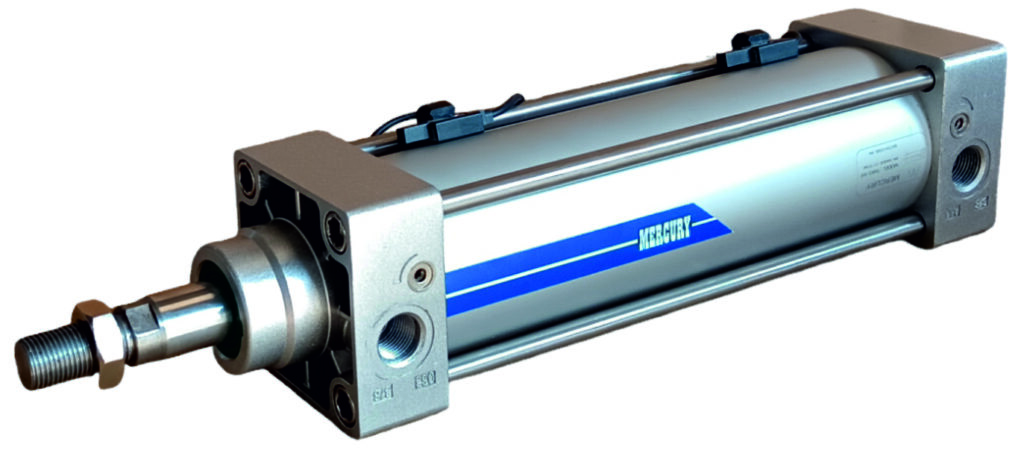
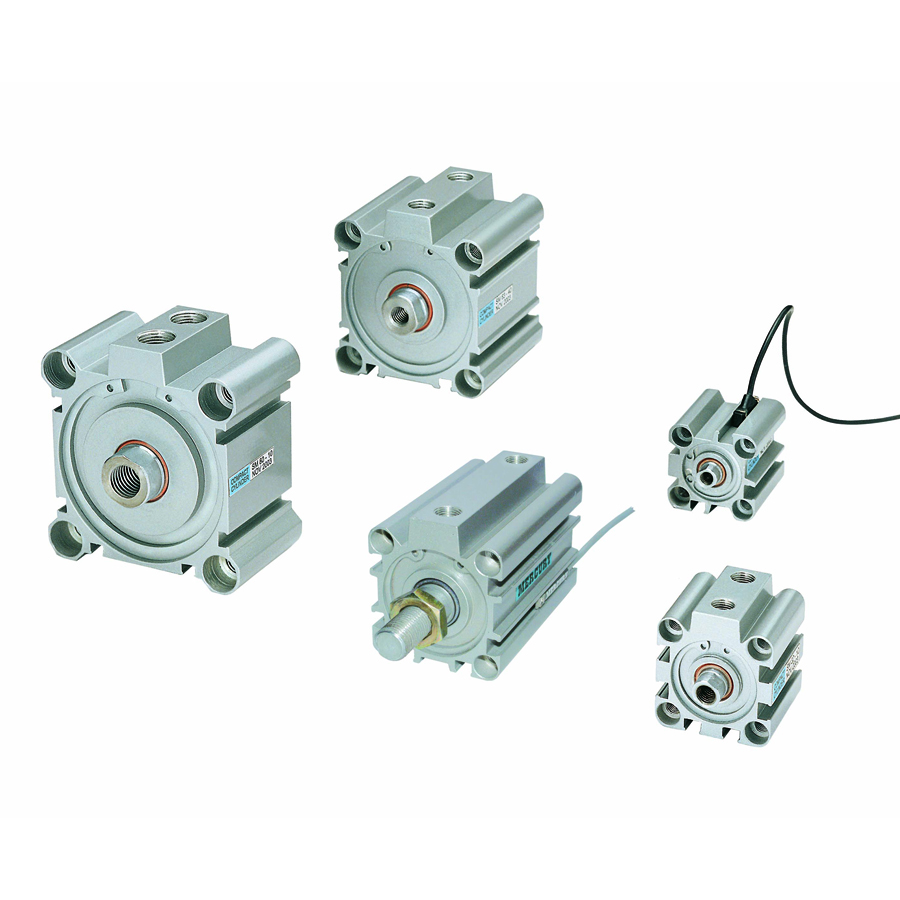
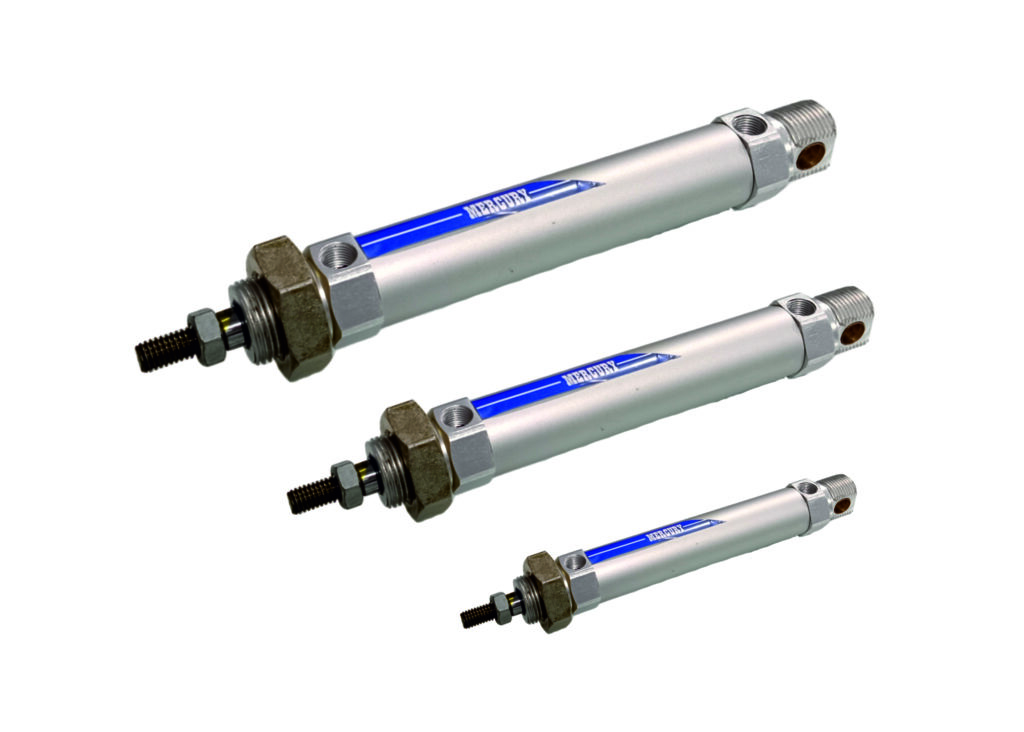
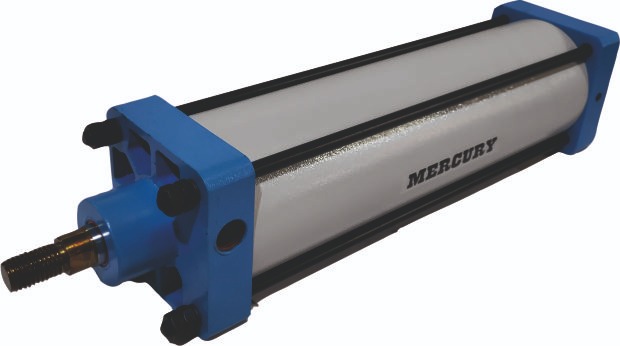
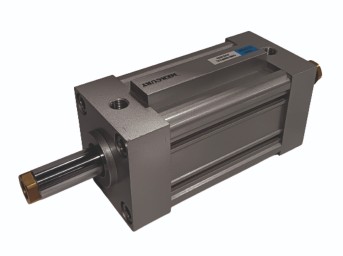
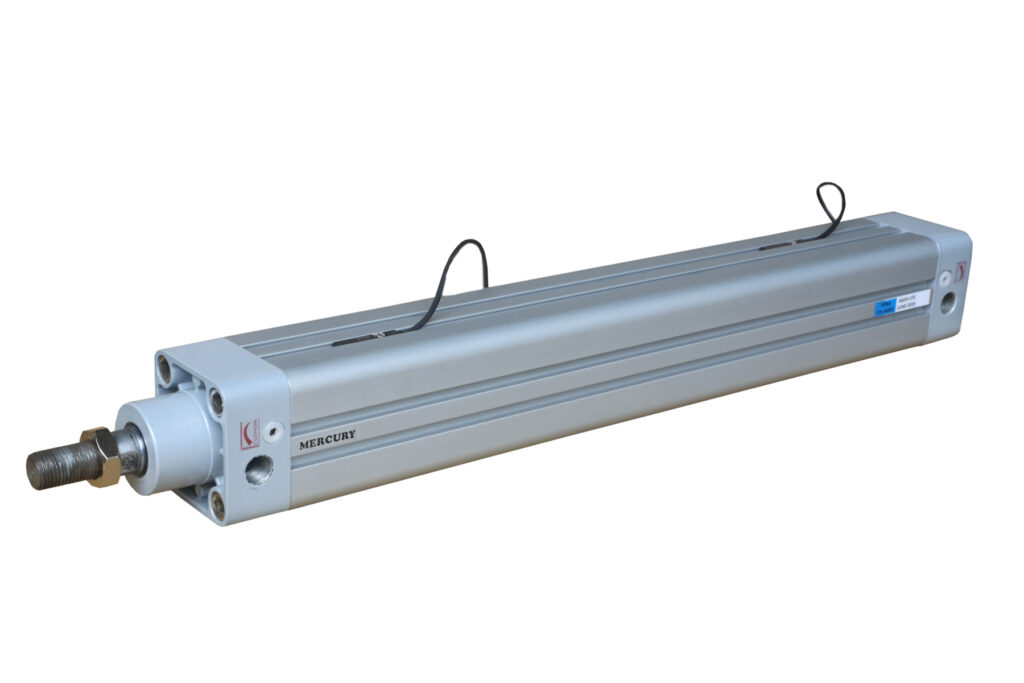
Pneumatic cylinders are mechanical devices which use the power of compressed gas to produce a force in a reciprocating linear motion. Like hydraulic cylinders, pneumatic cylinders use the stored potential energy of a fluid, in this case compressed air, and convert it into kinetic energy as the air expands in an attempt to reach atmospheric pressure. This air expansion forces a piston to move in the desired direction. The piston is a disc or cylinder, and the piston rod transfers the force it develops to the object to be moved.Engineers prefer to use pneumatics sometime because they are quieter, cleaner, and do not require large amounts of space for fluid storage. Because the operating fluid is a gas, leakage from a pneumatic cylinder will not drip out and contaminate the surroundings, making pneumatics more desirable where cleanliness is a requirement.
Frequently Asked Questions (FAQ)
The standard operating pressure rating for Mercury standard pneumatic cylinders is 10 bar. However, Mercury manufactures high pressure Pneuamtic cylinder which are rated for upto 25 bar
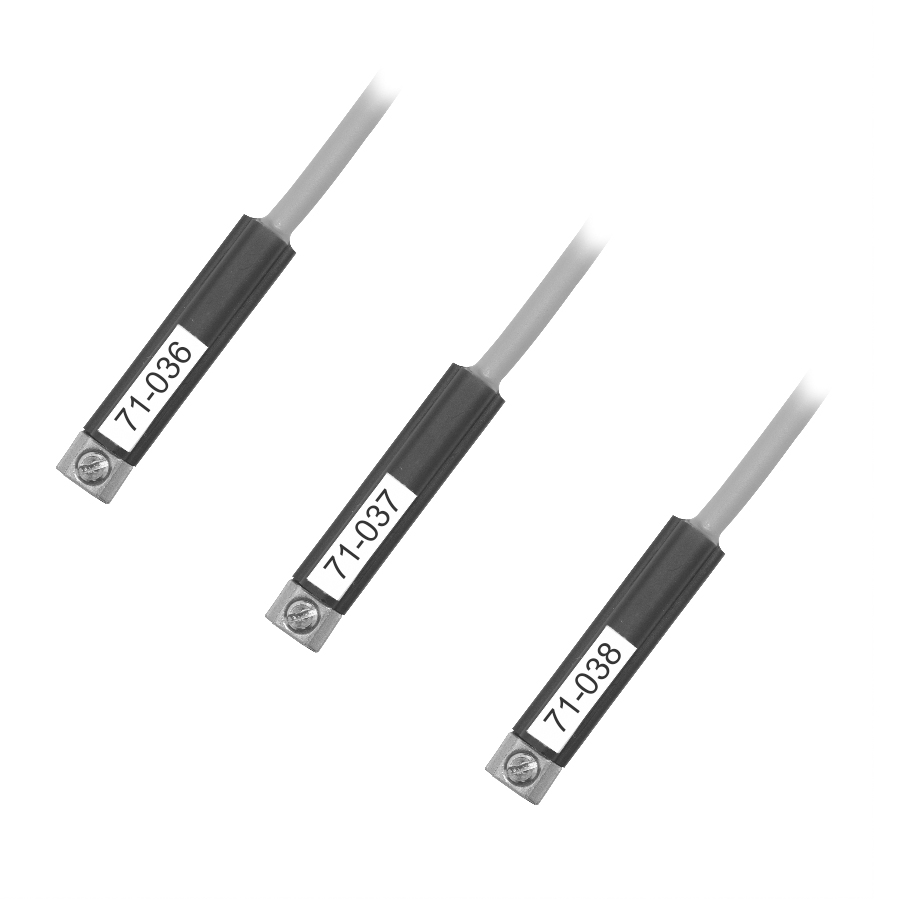
Yes, they feature built-in, unbreakable rubber magnets embedded inside an extra-long guided piston. The outer aluminum profiles feature international standard “T” slots on multiple sides, allowing you to easily slip in and lock reed switches without altering the body.
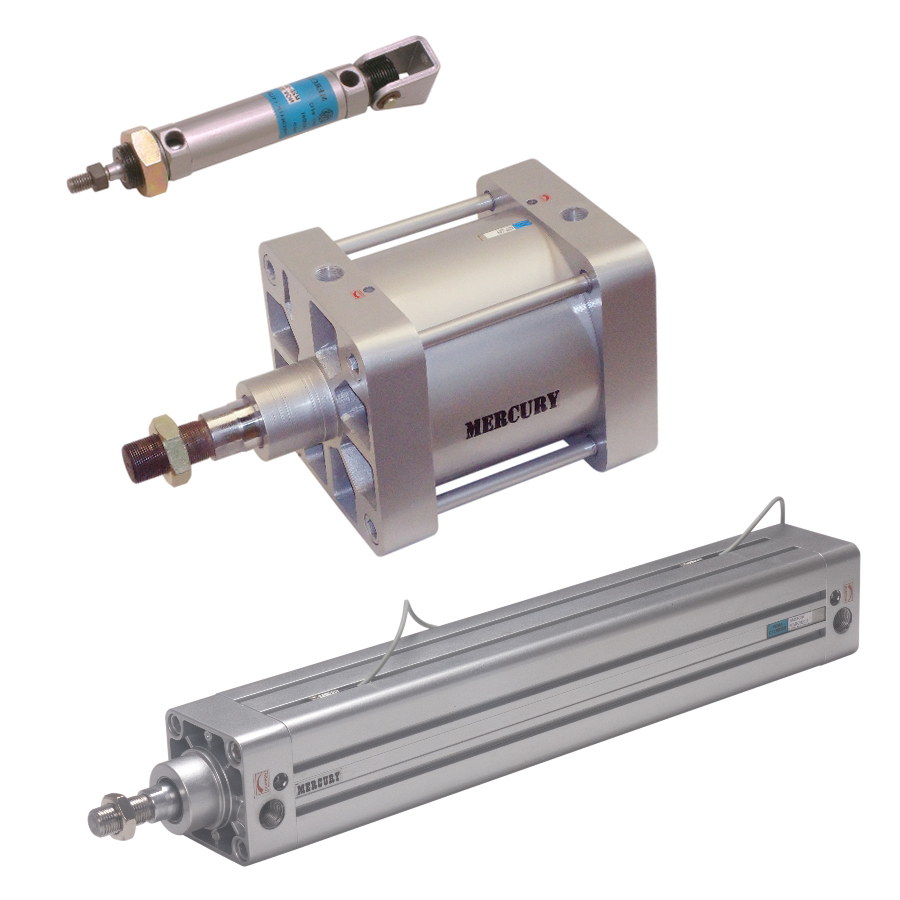
Answer: Yes. We specialize heavily in OEM applications. We regularly provide customized solutions involving specific stroke lengths, special mountings, unique rod extensions, and specialized configurations like combo or hollow-shaft cylinders.
Answer: Standard pneumatic cylinders run purely on compressed air, offering high speeds but limited force outputs. Mercury’s Hydro-Pneumatic Cylinders utilize compressed air to drive an oil-intensification system. This gives you the speed and cleanliness of a pneumatic setup combined with the immense, rigid force capability of hydraulics (up to 45 tonnes) without needing an external hydraulic power pack