Pneumatic Valves
Pneumatic Valves
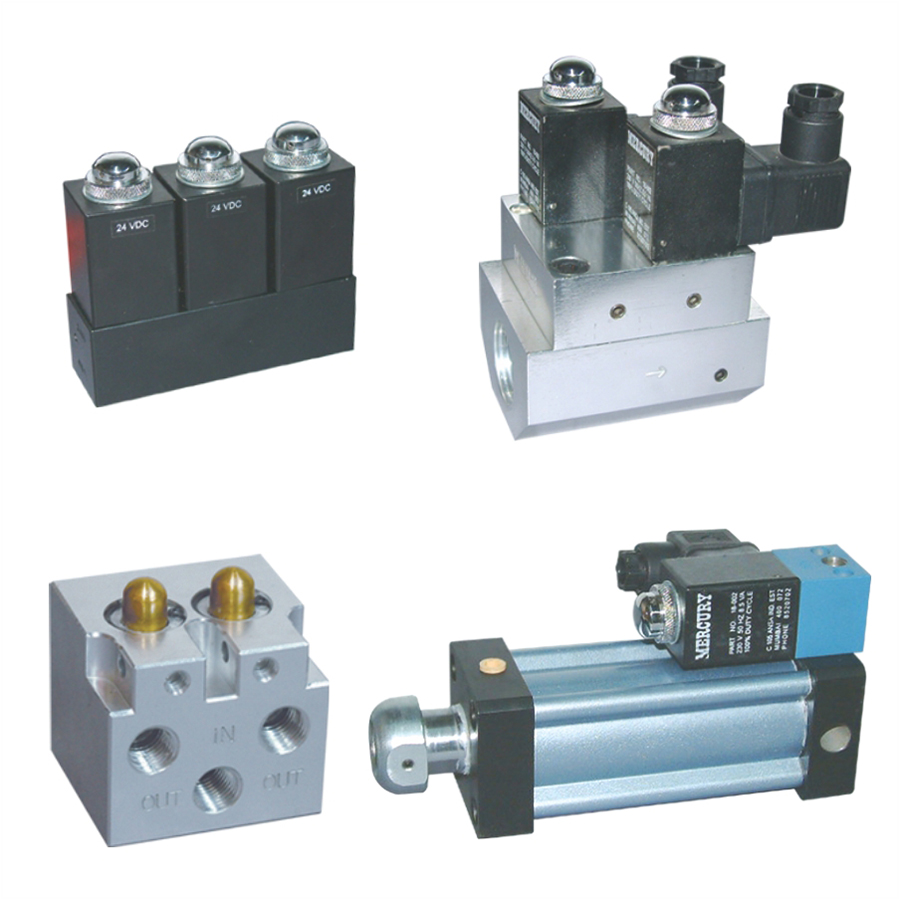
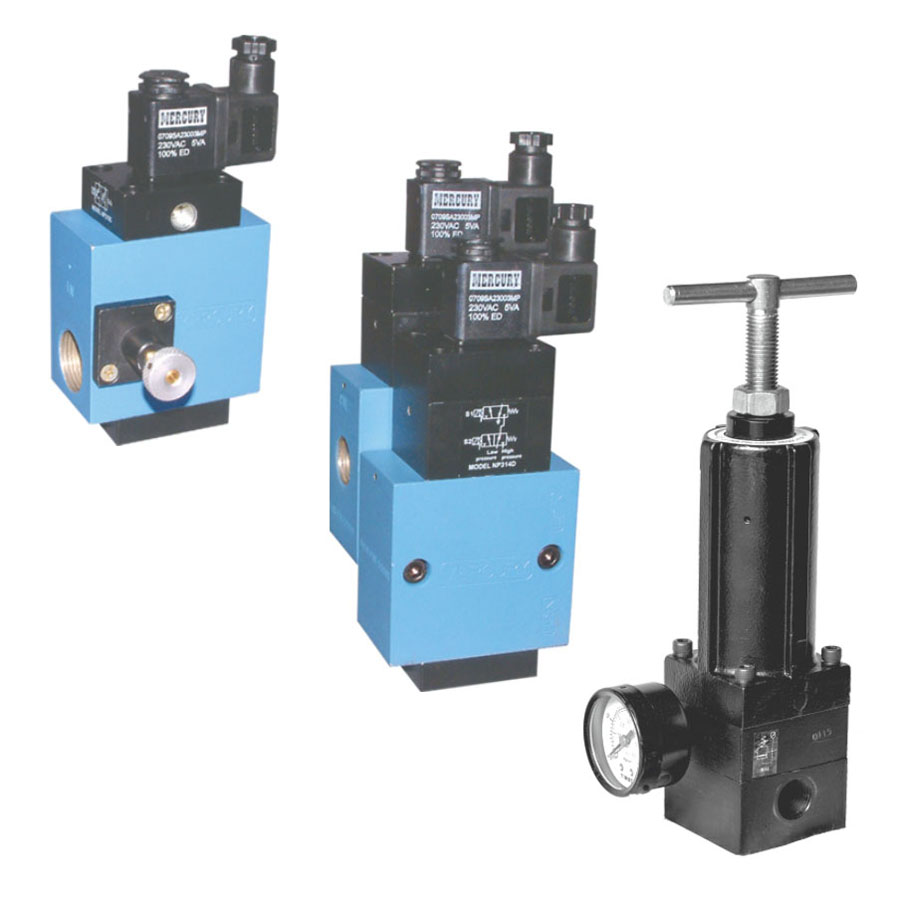
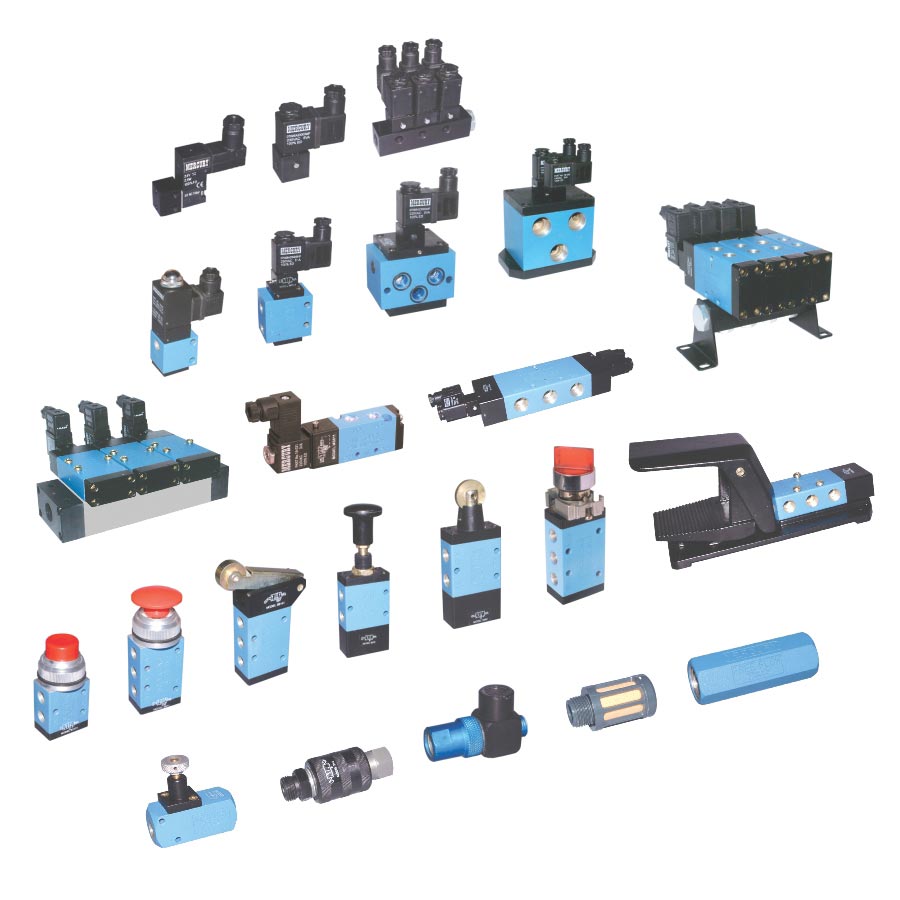
Mercury designs and manufactures a wide range of pneumatic valves such as direct acting Solenoid valves, Spool and poppet type solenoid valves, Pneumatically and Mechanically actuated Valves, Flow and pressure control valves as well as special for OEM’s and High pressure valves for the PET blow moulding industry.
Pneumatic valves are available in ranges from 1/8” BSP to 1” BSP port sizes and in 3/2, 5/2 and 5/3 configurations. Mercury’s special design ‘T’ ring spool valves introduced in 1980 have stood the test of time and are still the favourite choice of their OEM customers.
Mercury India: Pneumatic Valves for Automobile Industry
Looking for reliable pneumatic valve suppliers in Mumbai? Look no further. Mercury India is a leading supplier of pneumatic valves for the automobile industry in India. With a reputation for quality and excellence, we provide top-notch tailored for the specific needs of the automobile sector. Trust Mercury India for all your pneumatic valve requirements.
Pneumatic Valve Manufacturers in Mumbai
Mercury India is a leading pneumatic valve manufacturer in Mumbai, India. Known for their high-quality products and exceptional customer service, Mercury India provides reliable and efficient pneumatic valves to meet diverse industrial needs. With a strong commitment to innovation and quality, they have established themselves as a trusted name among pneumatic valve manufacturers in Mumbai.
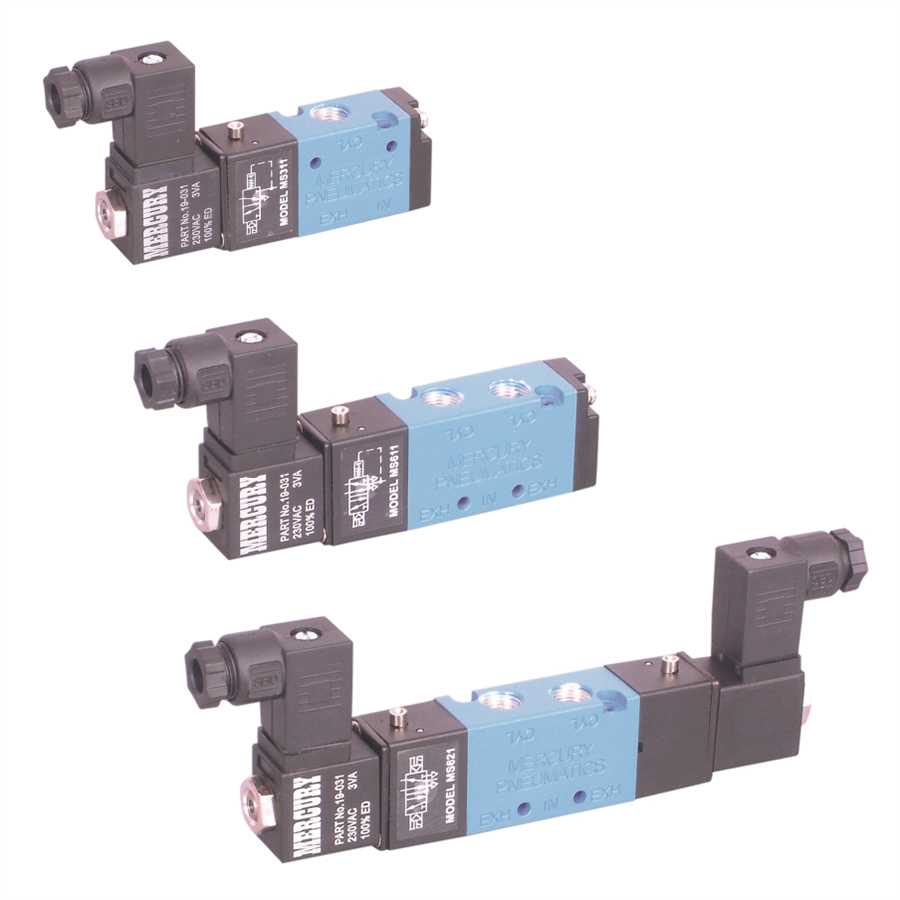
Direct Acting Solenoid Valves
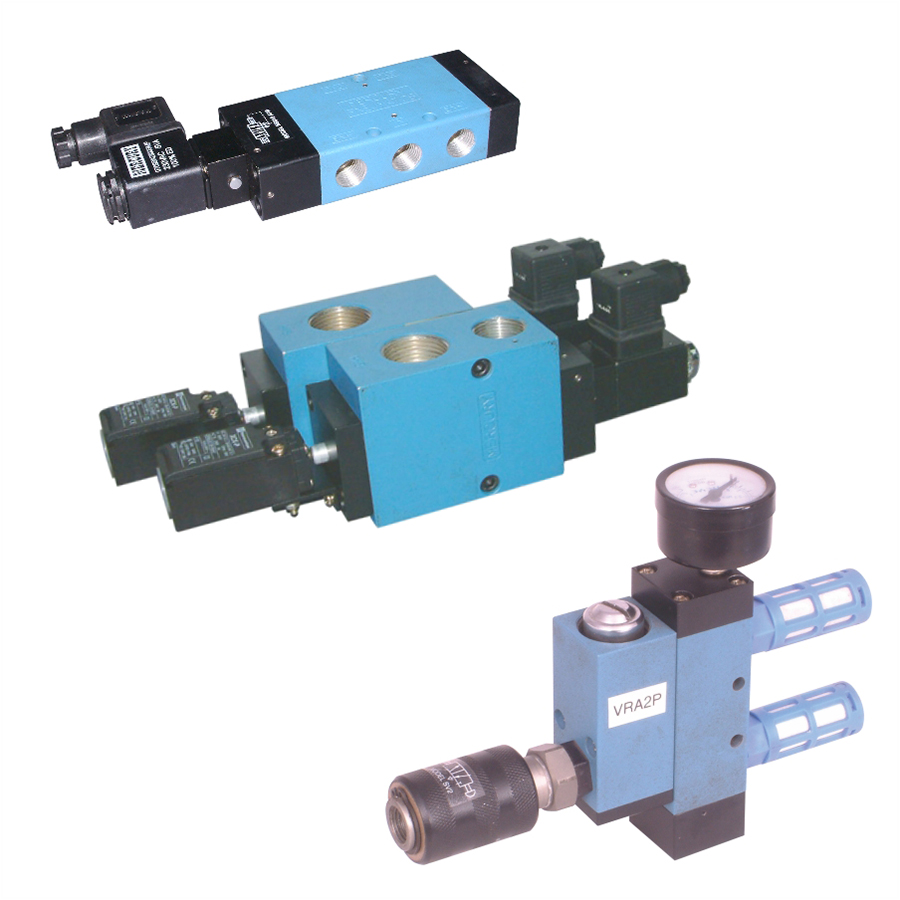
Spool Type Solenoid Valves
Poppet type solenoid valves
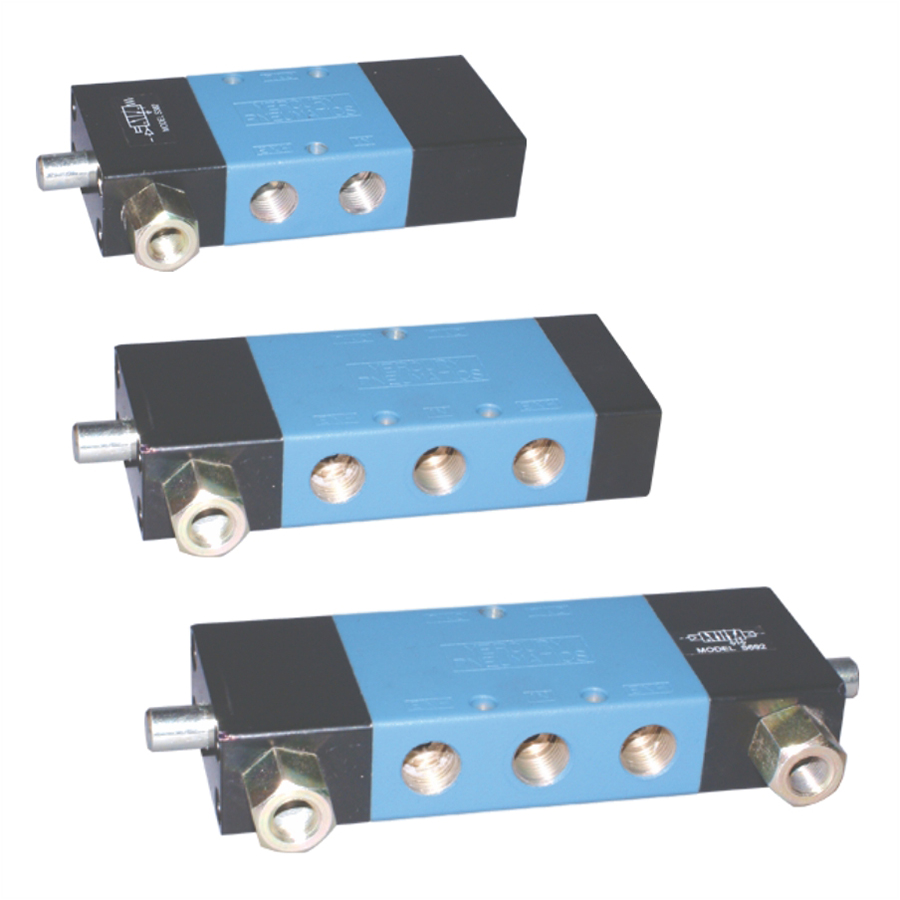
Pneumatic Actuated Valves
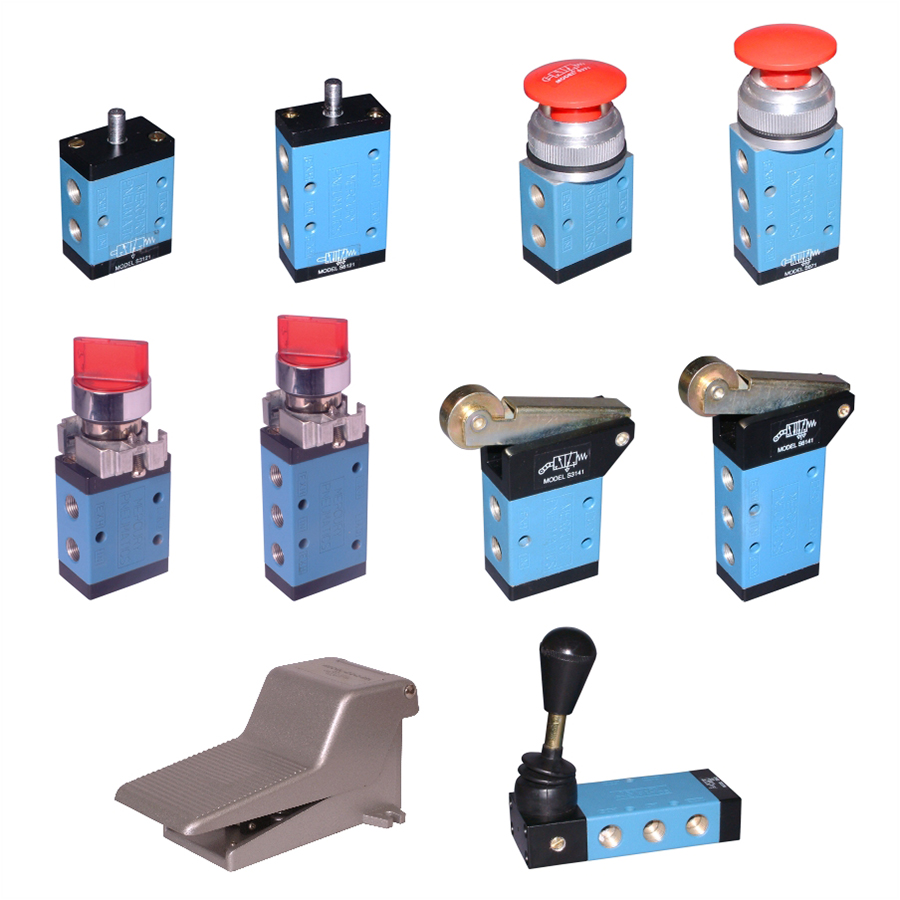
Manually And Mechanically Actuated Valves
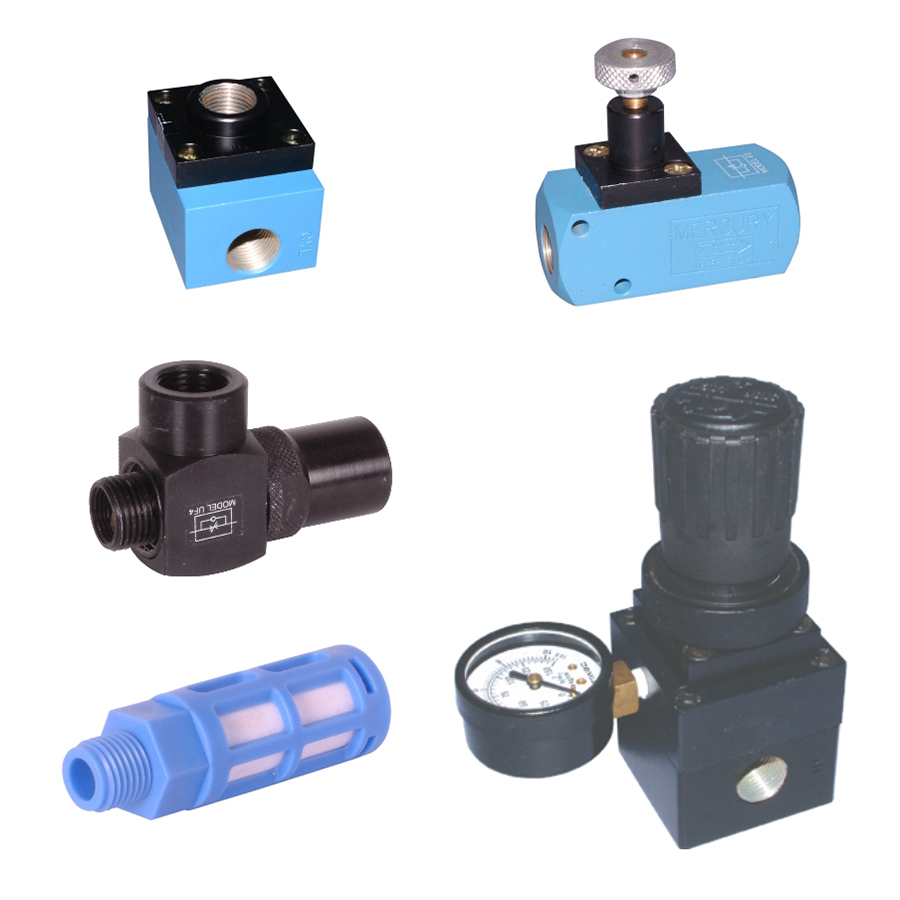
Flow And Pressure Control Valves
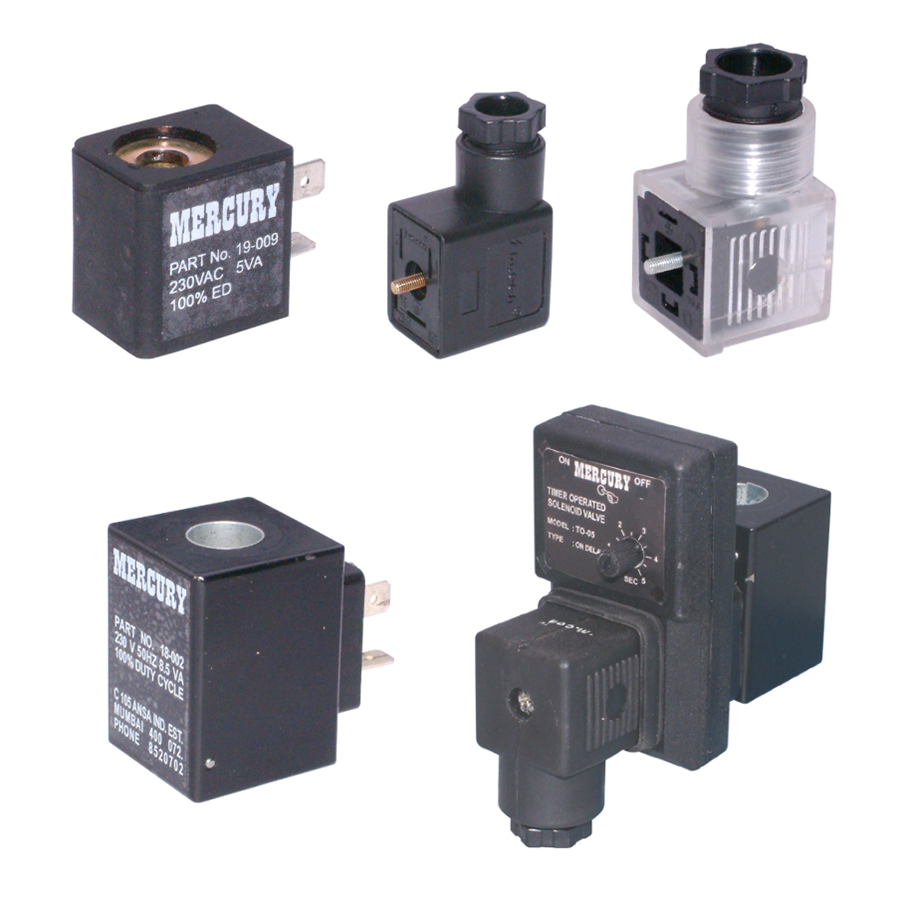
Solenoid Coils, Connector And Time Operated Coils
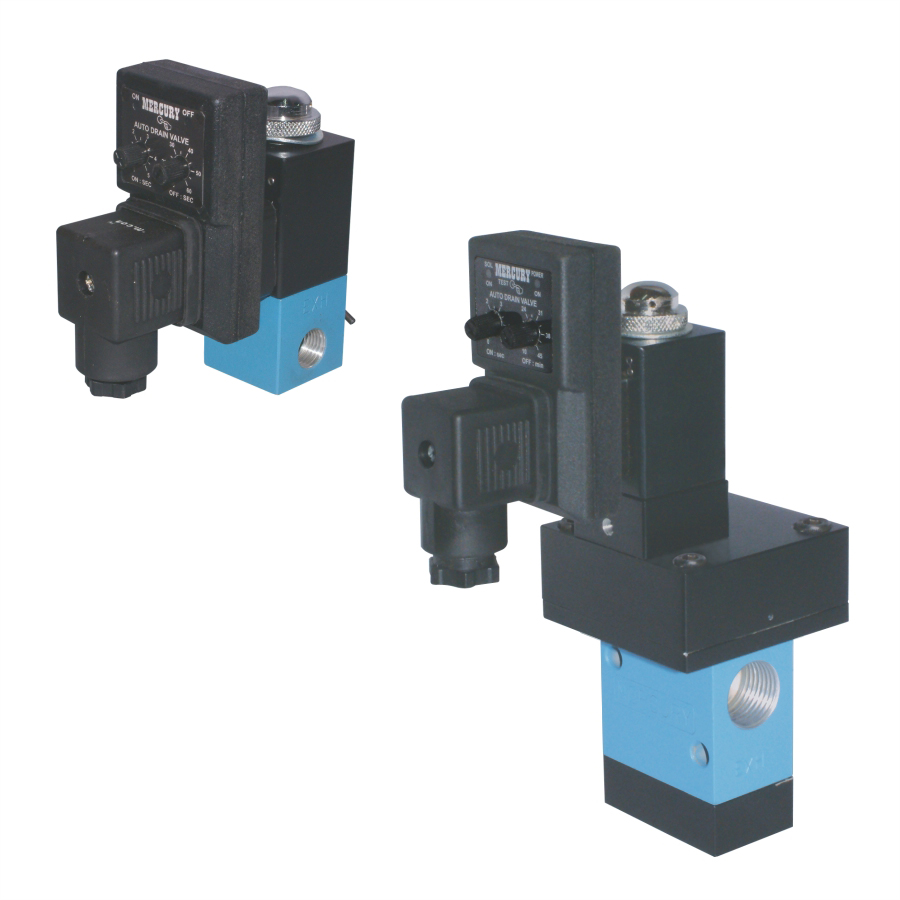
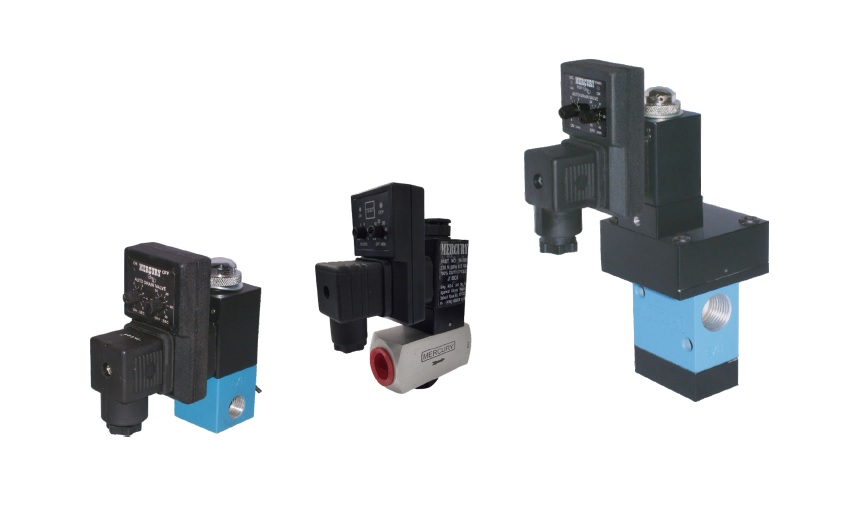
Automatic Drain Solenoid Valves
Special Valves For Mercury Products
Special Valves For OEM Applications
Special valves for PET moulding machines
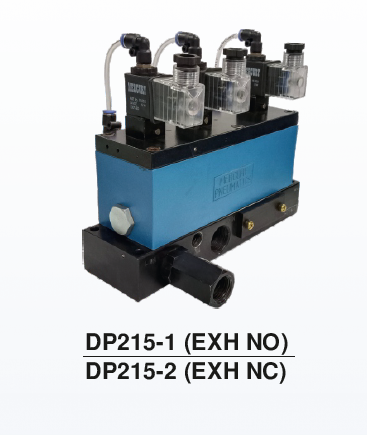
High Flow Dual pressure valve for PET Machines
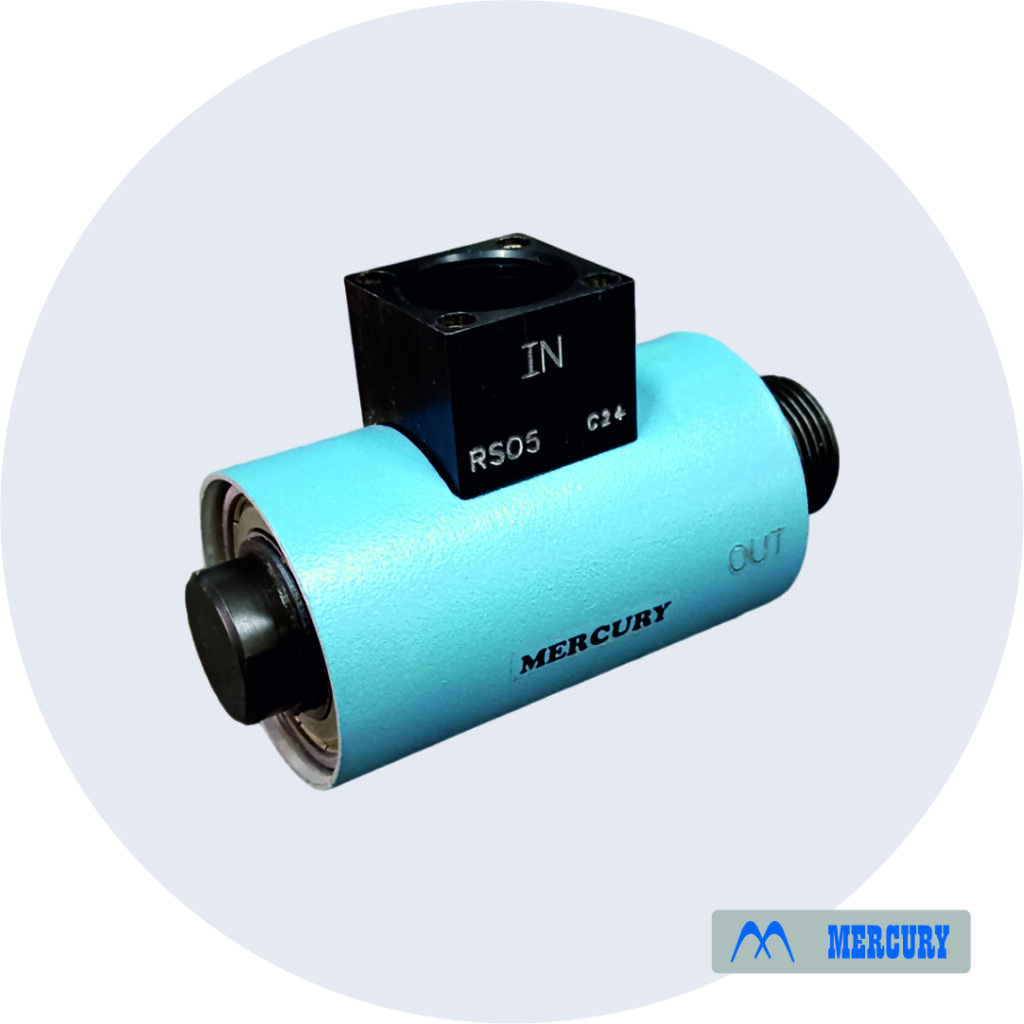
Rotor Coupling
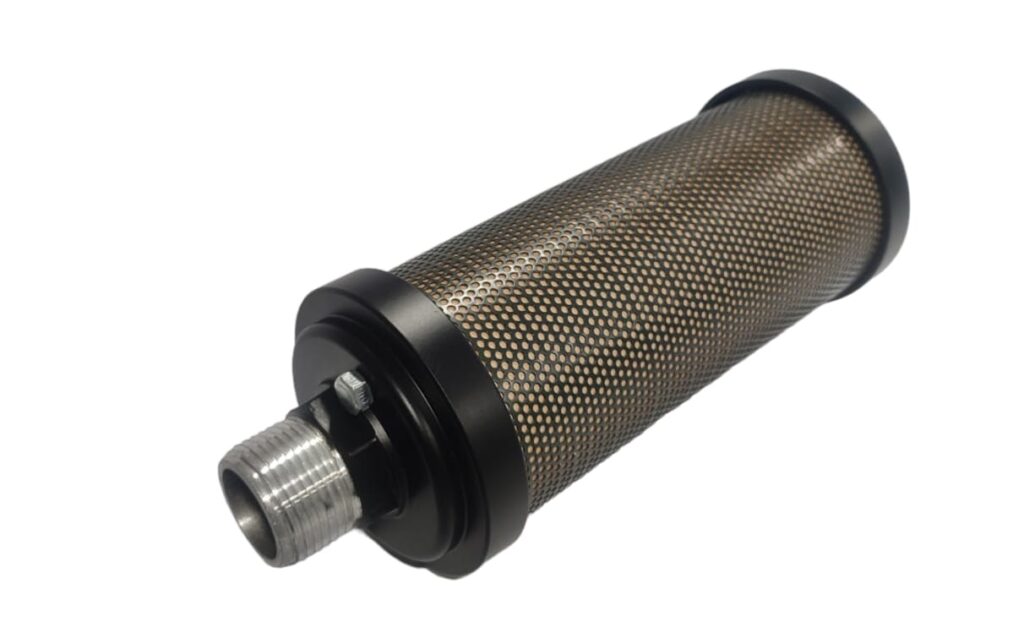
High Pressure Silencers (40 bar)
Frequently Asked Questions (FAQ)
Q: What is the standard pressure rating for Mercury Pneumatic valves?
For standard Mercury Pneumatic valves (such as the Series ‘S’, ‘NP’, and ‘MS’ spool and direct-acting solenoid valves), the operating pressure rating typically ranges from 2.5 bar to 10 bar (approximately 36 to 145 psi).
However, the rating can vary significantly depending on the specific series and intended application:
- Standard / Pilot-Operated Valves:5 bar – 10 bar
- Direct acting Solenoid Valves: 0 bar – 10 bar
- High-Pressure / PET Blow Molding Valves: 5 bar – 30 bar
Q: What makes Mercury’s Spool Valves unique compared to other brands?
The signature feature of Mercury spool valves is their proprietary “T” ring seal design, introduced way back in 1980. Unlike standard O-rings that can twist or wear out quickly under high friction, the “T” ring design reduces friction, prevents seal twisting, ensures a longer service life, and allows the valves to perform reliably even with lower-quality or lightly lubricated compressed air.
Q: Does Mercury manufacture valves specifically for the PET Blow Molding industry?
Yes, this is one of their major OEM specialties. They manufacture High-Pressure Valves and High-Flow Dual Pressure Valves engineered specifically to withstand the rapid cycling and high pressures (up to 40 bar) required in PET stretch blow molding machines. They also supply companion 40-bar high-pressure silencers
Q: What are Mercury’s “Energy Saving Valves” and how do they work?
Models like the ES2 (1/4″) and ES4 (1/2″) are designed to reduce compressed air consumption in pneumatic cylinders.
How it works: A cylinder usually requires high force to push forward, but very little force to retract. By connecting a Mercury energy-saving valve to the return port, it lowers the return air pressure, saving between 15% to 30% of the system’s total air consumption.
Q: Can Mercury’s pilot-operated valves be used in hazardous environments?
Yes. Their Series S pneumatically actuated (pilot-operated) valves utilize an air signal rather than an electrical signal to shift the spool. This makes them ideal for remote operations, wet environments, or explosive zones where electrical sparks pose a safety hazard.